

Case Studies
TWIST invited each member of the TWIST Community of Practice to share their experience through case study presentations and by completing the template that we developed in partnership with the MIT Sloan Sustainability Initiative. Our intention in convening is to create a safe, supportive space for practitioners to share and learn, while also providing a platform for research and publication to document practice and inspire others.
TWIST Community of Practice Members by Type of Actor
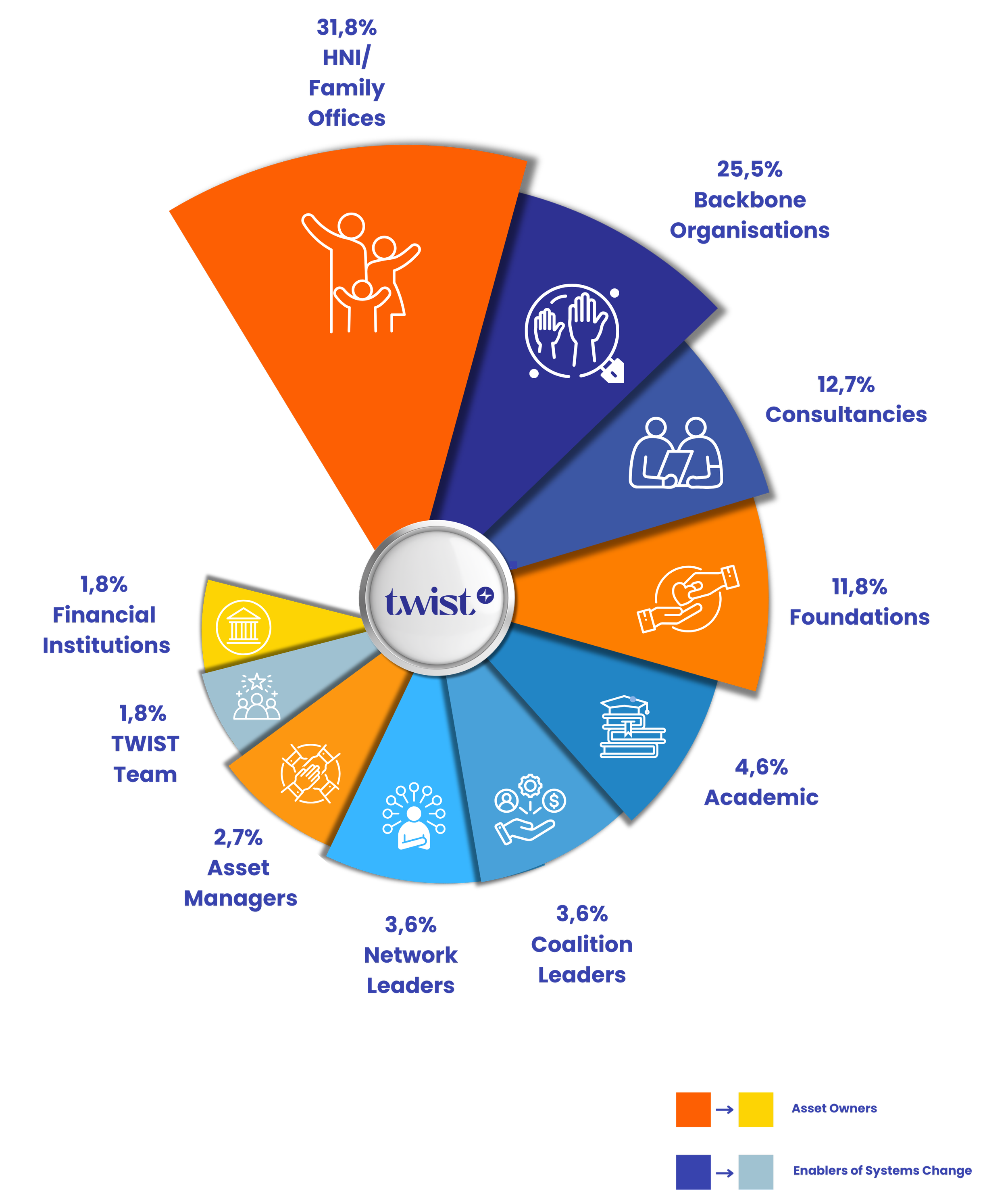
As of 2026, the TWIST Community of Practice counts 123 members, of which 48,1% are asset owners (i.e., family offices, high-net-worth individuals, foundations and financial institutions), and the other 51,9% are enablers of systems change (i.e., academics, coalition leaders, asset managers, enabling platforms, consultants and network leaders).
Many other actors hold a stake in changing these systems, including the implementers who carry the work forward and the people most directly affected by it. While TWIST members usually bring these perspectives into their own practice, those voices aren't represented directly in the data shown here.
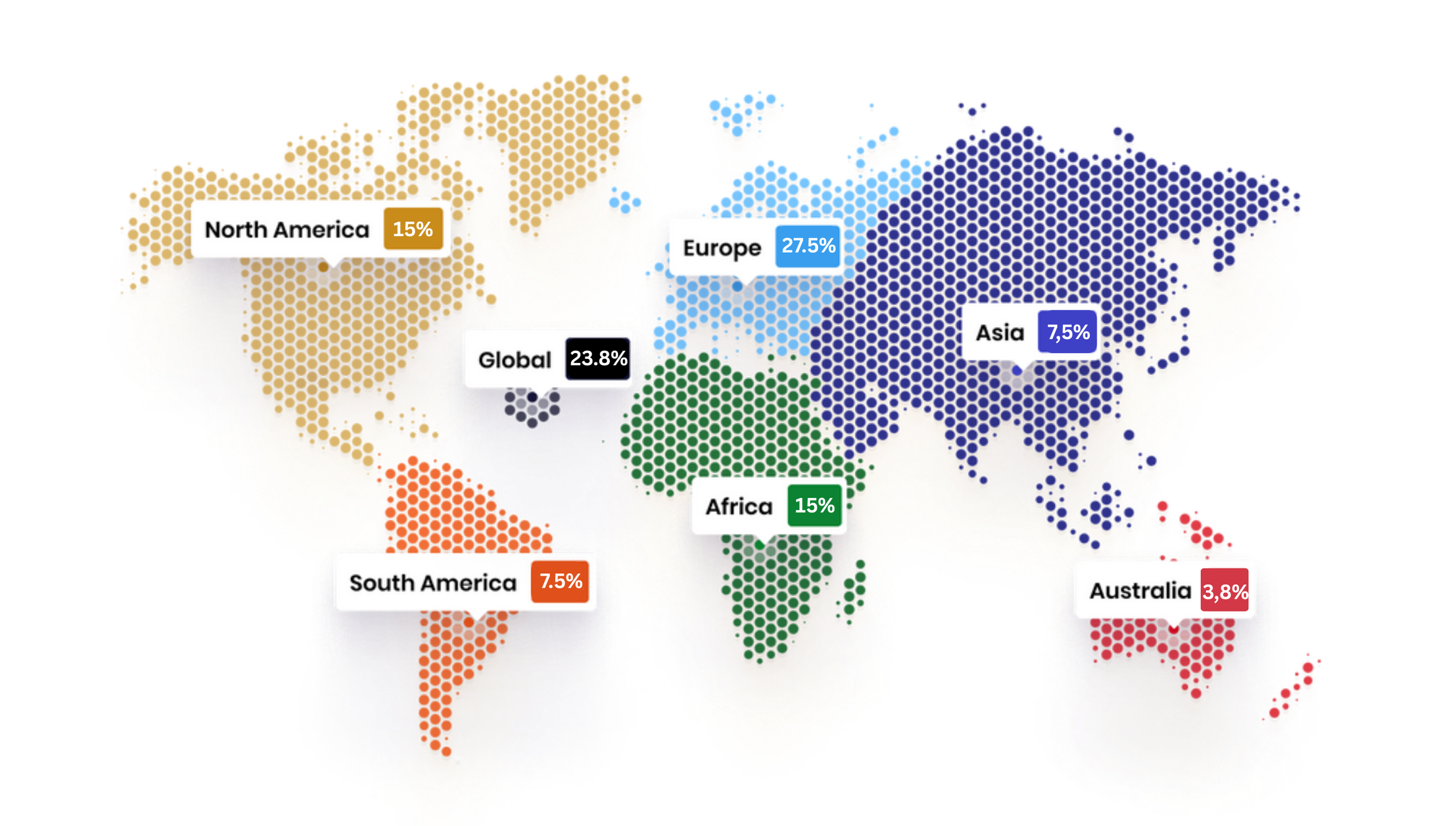
Geographies Targeted in the TWIST Case Studies
TWIST Community of Practice members have contributed case studies representing a wide range of geographies, spanning six of the seven continents (Antarctica being the only exception). This highlights that this approach is truly emerging on a global scale and that it can be applied in any country or continent. In addition, some case studies are global in nature, e.g. seeking to transform the financial system or the aquaculture system globally.
Systems Targeted in the TWIST Case Studies
Case studies shared by our members target a wide range of systems—from initiatives seeking to transform the food system in Hawai’i and the education system in Mexico to reimagining the economic system of Melbourne and the global financial system.
The infographic below provides a breakdown of these specific systems targeted, illustrating the percentage of initiatives focused on each sector.
By engaging in hours of active dialogue, the TWIST Community of Practice has used these diverse examples to bridge the gap between theory and action. Together, we are uncovering the distinct differences between the familiar landscapes of sustainable and impact investing and the emerging field of investing for systems change.


